

Readability Studies
1 Our expertise
THAY Medical have been performing Readability Studies for over ten years. In this time we have performed many successful Readability Studies, all exceeding expectations. We know what is needed to make the process as easy as possible, to meet budgets and to meet deadlines as well as to be compliant 100% of the time to the European Medicines Agency Guidance from 2009 for Readability for the labelling and packaging of medicinal products (for Patient Information Leaflets (PILs), as well as to other global standards and guidances for Instructions for Use (IFUs), User Manuals, Quick Guides, labelling, packaging, Websites, Applications, Patient Booklets and software.
Our in-house expertise of Human Factors Engineers, working to our ISO 13485 Quality Management System (certified for Human Factors Engineering) together with a tight collaboration with the manufacturer or developer ensures timely delivery and readability data that is meaningful. Success is frequently based upon understanding, knowledge, experience, budget, management and close teamwork.
EMA
Guidance compliant for global submissions.
2 Our process
Our current best practice is to follow either the EMA Guidance if it is pharmaceutical and then MHRA, FDA and global usability standards if it is medical, diagnostic or healthcare focused. The process is guided by our internal Quality Management System and continuously improved to ensure the whole process is positive in outcome in all fronts, meeting and exceeding expectations, as well as budgets and schedules. Typically, we are involved at the conception (drafting) of the instructional materials and can assist with Expert Reviews, guidance and expertise in designing layouts, structure, and content. Then following the process to perform verification and validation activities (typically with 10 users each time) to ensure a greater than 90% readability sucess rate. This is the requirement.
With medical, diagnostic and healthcare focused instructional materials, we perform Readability and comprehension tests at Formative (Verification) level and at Summative (Validation) level, separately, and prior to a Summative Usability Study or Human Factors Validation Test. This reduces the risk in these larger tests of use errors due to comprehension, locating information, understanding clinical terminology and following tasks in the Instructions for Use - which often can be critical in risk level. As such, performing a Readability Study de-risks a larger device-focused study or test. Compliance is the basis, with the aim to produce high-quality test data to prove use comprehesion and readability.
We can test anywhere in the world but prefer to go where science tells us to go - dependent upon the user population and where they live.
In these locations we simulate all clinical and home use environments and even perform testing in actual-use environments. We use a range of hospitals, universities, clinics, simulation centres and research facilities.
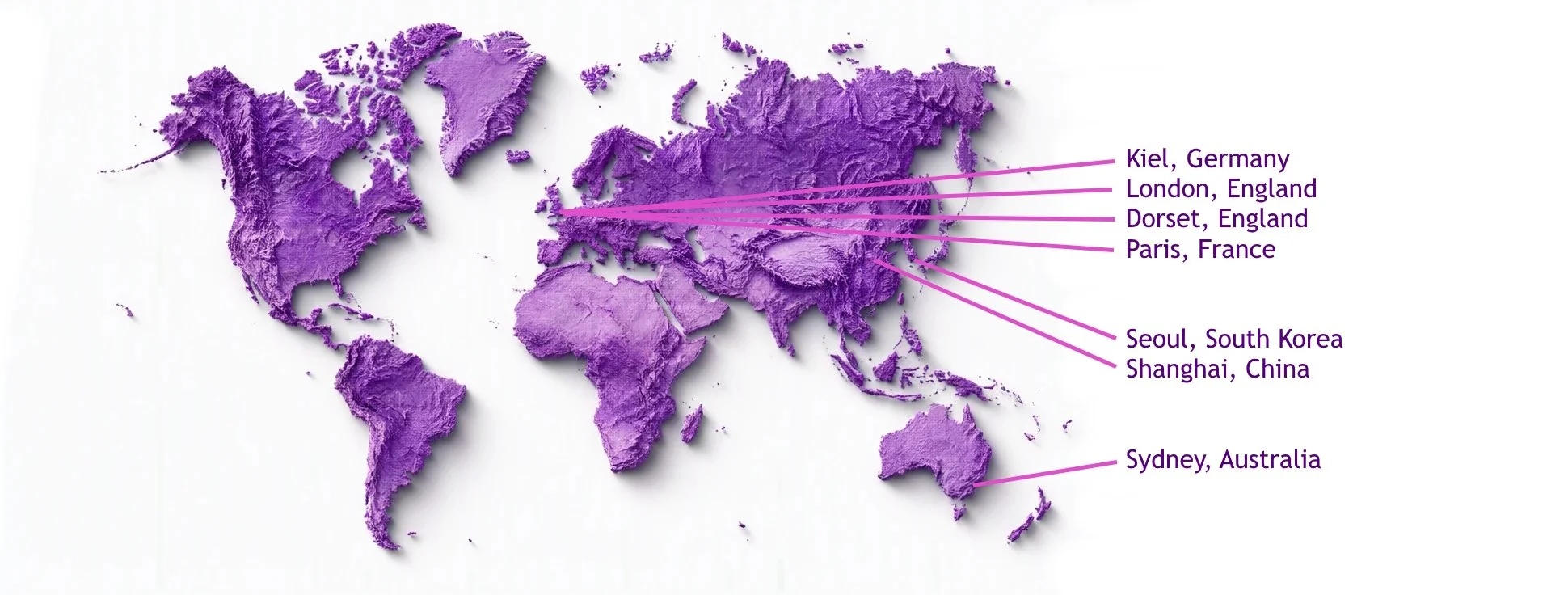
3 Our study locations
4 Participant Recruitment
For every Readability Study we recruit participants to take part, to test each device-focused instructional material (be it an IFU, a User Manual, App, or a number of these) to evaluate its readability and comprehension performance. We have a 100% success in recruiting the required sample size of participants into the Readability Studies we conduct. We have spent years honing our recruitment methods with our internal recruitment team. It is essential to the success we have had so far and is essential to our future success. Our Quality Management System aids us in this.
100%
Participant Recruitment
5 Our recent Readability Studies
Whilst we would love to tell you about the excellent work we have completed, we cannot - at least not in any way that breaches any client trust and agreement. We can however detail the following:
Readability Study: [Medical] Instructions for Use and Quick Guide for an OCT Imaging System, evaluated in the USA, August 2026.
Readability Study: [Pharmaceutical] Facial Filler injection, evaluated in the UK, January 2026.
Readability Study: [Diagnostic Device] User Safety Guide for a Diagnostic System, evaluated in the UK, Novemeber 2024.
We currently have more Readability Studies planned which increases our competance in this evaluation method.
6 Frequently Asked Questions on Readability Studies
Q1: How long does a Readability Study take to complete?
A Summative Usability Study takes between 1-3 months to complete depending on the number of iterations and design change time needed.
Q2: Who is involved from THAY Medical in performing a high-quality Readability Study?
THAY Medical assign at minimum of two Human Factors Engineers, the support of a Project Manager, a Quality Manager and our internal Recruitment Team to any Readability Study to ensure the method, communicaton and data is optimal and the test performed smoothly and meeting all requirements including the sample size of participants required.
Q3: How much does a Readability Study cost to outsource?
Typcially, for a one user group Readability Study, it can start from £10k (€13k/$15k), most cost around twice this amount for a Readability Study with 2-3 user groups.
Q4. What do I need to supply to THAY Medical to perform a Readability Study?
Typically, we need instructional materials (PILs, IFUs, Manuals, Websites, Apps, Quick Guides etc) whichever the state of drafting or finalisation they are in. We prefer to be involved at conception to optimise the chance of readability and comprehension by the readers (users).
Q5. Can the data from a Readability Study be used elsewhere?
Yes, the data and Test Reports from a Readability Study are frequently used to support CA/CE Marking, submissions to Notified Bodies and Regulators around the world. It is a validation of your instructional materials and as such is valid to show it is readable and effective.