

Comparative Use Human Factors Studies
1 Our expertise
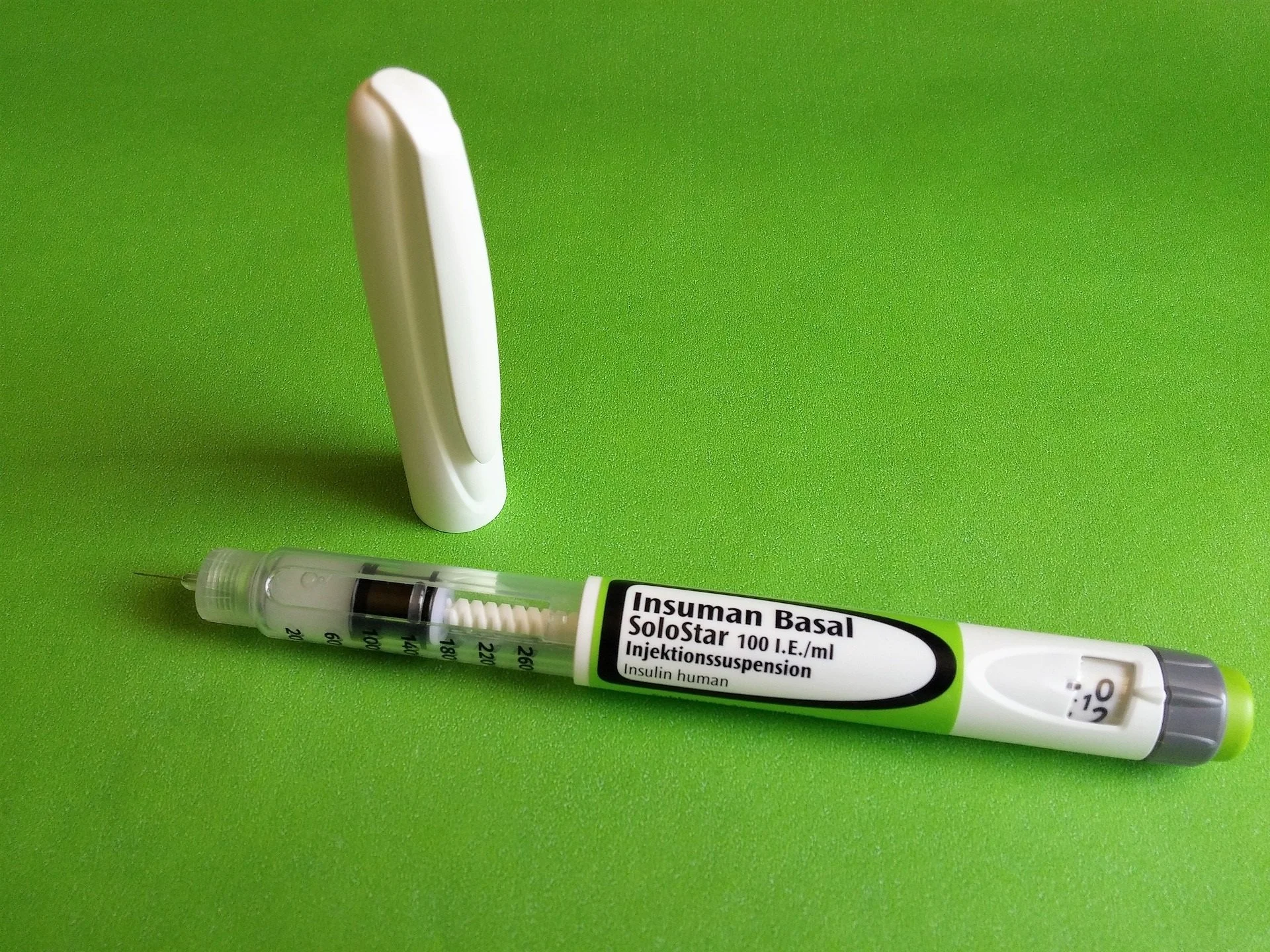
THAY Medical perform Comparative Use Human Factors Studies on generic drug delivery devices to support US FDA ANDA submissions. This includes performing Threshold Analyses first, then completing a Comparative Use Human Factors Study using a generic against a Reference Listed Drug (RLD) product. With high sample sizes required to prove non-inferiority, sample sizes determined statistically, we know what is needed to make the process as easy as possible, to meet budgets and to meet deadlines as well as to be compliant 100% of the time.
Our in-house expertise of Human Factors Engineers, working to our ISO 13485 Quality Management System (certified for Human Factors Engineering) together with a tight collaboration with the manufacturer or developer ensures timely delivery and human factors data that is meaningful. Success is frequently based upon understanding, knowledge, experience, budget, management and close teamwork.
2 Our process
Our current process is to follow the US FDA ANDA (A New Drug Application) guidance and ensure compliance for any review. Our process starts with supporting our customers to determine the drug delivery device, to assist in developing the Patient Information Leaflet, the Instructions for Use, the labeling and packaging. With a system determined, a Threshold Analysis can be written to determine the design differences between a Reference Listed Drug product and the generic system. This analysis focuses upon the physical, dimensional and technical differences, the labeling differences and the instructional differences. With these analyses, the lack of safety of each design difference can be theoretically determined through risk assessment.
The risk assessment then drives the statistical determination of the sample size, as required by the FDA guidance. A Statistical Analysis Plan is written and the sample size determined. Then the Comparative Use Human Factors Study can start. Organization and planning drives the creation of the Study Protocol, generic System Risk Assessment and all other preparatory documentation. Participants are recruited to attend individual study sessions, in a US simulated-use study location, where they compare the generic and the reference systems to determine comparability or inferiority. This follows ethical (IRB) review and Health and Safety assessment to ensure the safety of all involved. With study data checked and locked, the results are written into a Study Report and non-inferiority determined.
This either proves the generic product is comparable (equivalent) to the Reference Listed Drug product, inferior or non-inferior in use.
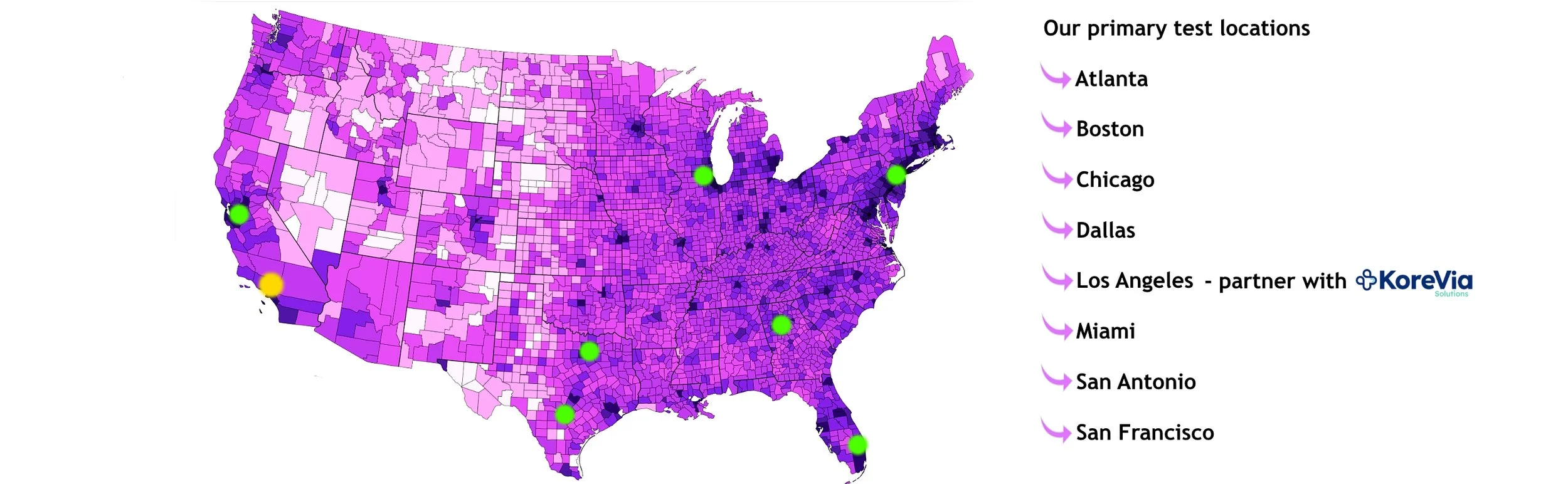
We can test anywhere in the USA, but prefer to go where science and data tell us to go - dependent upon the user population and where they live.
In these locations we simulate all use environments (most commonly it is a home use environment) and even perform the Comparative Use Human Factors Study in actual-use environments as needed. Since the sample sizes are often higher than typically used in human factors tests, the primary requirement is to ensure a real user population can be recruited into the study. This is something we focus on in detail.
3 Our study locations
4 Participant Recruitment
For every Comparative Use Human Factors Study we recruit participants to take part, to test each of the two systems to evaluate their usability and human factors performance. We have a 100% success in recruiting the required sample size of participants into the Comparative Use Human Factors Studies we conduct. We have spent years honing our recruitment methods with our internal recruitment team. Coupled with a 100% success in gaining ethical approvals from IRB’s for patient involvement - it is a process that works. It is essential to the success we have had so far and is essential to our future success. Our Quality Management System aids us in this.
100%
Participant Recruitment

5 Our recent Comparative Use Human Factors Studies
Whilst we would love to tell you about the excellent work we have completed, we cannot - at least not in any way that breaches any client trust and agreement. We can however detail the following:
Comparative Use Human Factors Study: [Pharmaceutical] Generic GLP-1 Injection System, evaluated in Los Angeles, 2026.
We currently have more Comparative Use Human Factors Studies in progress which increases our competance in this evaluation method.
6 Frequently Asked Questions on Comparative Use Human Factors Studies
Q1: How long does a Comparative Use Human Factors Study take to complete?
A Comparative Use Human Factors Study takes between 4-6 months to complete depending on the sample size and amount of data produced.
Q2: Who is involved from THAY Medical in performing a high-quality Comparative Use Human Factors Study?
THAY Medical assign at minimum of two or four Human Factors Engineers, the support of a Project Manager, a Quality Manager and our internal Recruitment Team to any Comparative Use Human Factors Study to ensure the method, communicaton and data is optimal and the study performed smoothly and meeting all requirements including the sample size of participants required.
Q3: How much does a Human Factors Validation Test cost to outsource?
Typcially, for a one user group Human Factors Validation Test, it can start from £50k (€60k/$65k), most cost around twice this amount for a Human Factors Validation Test with 2-3 user groups.
Q4. What do I need to supply to THAY Medical to perform a Comparative Use Human Factors Study?
The first thing we would need is finished generic product - production ready or first batch product or equivalent. Included in this are final design instructional materials (PILs, IFUs, Manuals, Websites, Apps, Quick Guides etc). To compare, we also need the equivalent number of Reference Listed Drug (RLD) products to perform the comparison.
Q5. What is a typical sample size in a Comparative Use Human Factors Study?
The sample size is statistically determined based upon the design differences between the generic and reference devices. Typically, this ranges from 45-155 participants per user group. For one user group this is 45-155 participants. For two user groups this is twice the amount. It is noted that frequently there are between one and three user groups (patients, caregivers and healthcare professionals).