

Individual Usability™ Solutions
Individual Usability™ Solutions focus on understanding how users interact with a product at specific stages of development. These studies are used to explore design decisions, identify risks early, and confirm usability before regulatory submission.
We support manufacturers across early-stage exploration through to pre-market confirmation, using structured, defensible methods aligned with regulatory expectations.
-
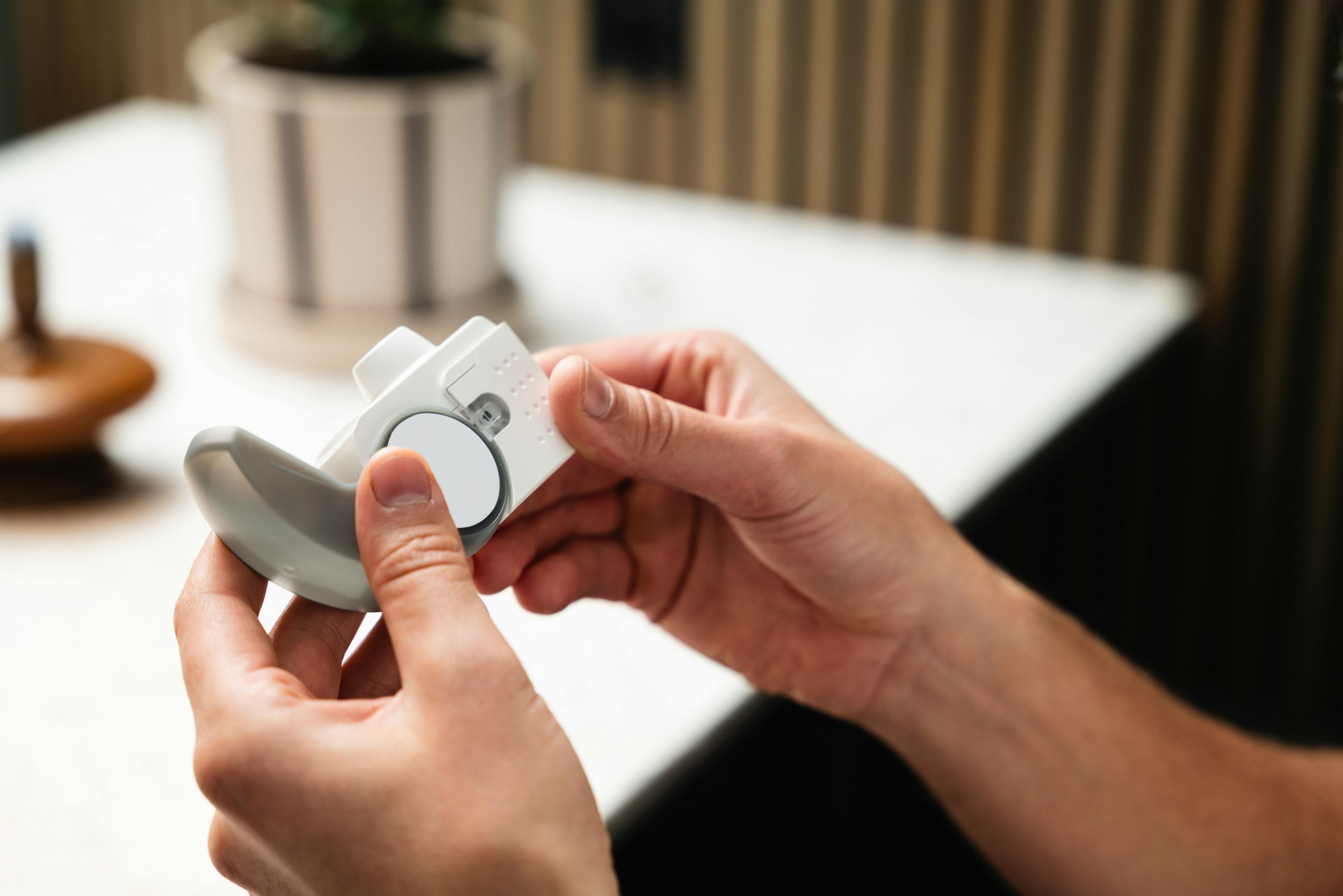
Formative or Investigational Usability Studies
Formative (or investigational) usability studies are used during development to explore how users interact with a product and to identify usability issues before they become costly or high-risk.
These studies help teams understand:
Where users struggle or hesitate
How design choices affect task performance
Whether assumptions made during development hold up in practice
What we do:
Design task-based usability studies tailored to your product and users
Observe and analyse user interactions in realistic use scenarios
Identify use-related risks, errors, and design opportunities
Provide clear, actionable feedback to support design refinement
Formative studies are particularly valuable when designs are evolving and decisions still need to be made.
-
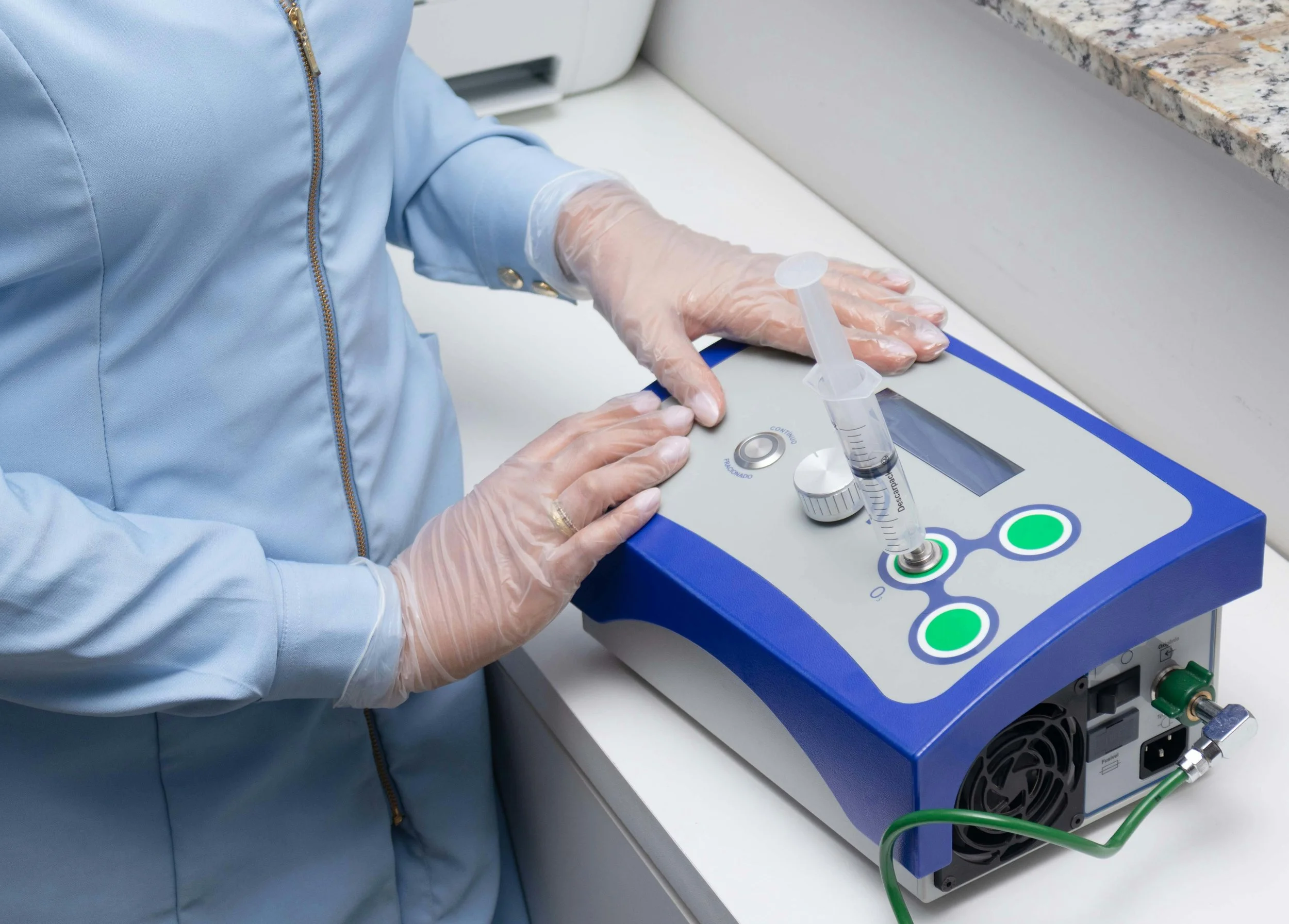
Actual Use and Summative Usability Studies
Actual Use and Summative Usability Studies are conducted to confirm that users can safely and effectively use a product as intended. These studies are typically performed later in development and often support regulatory submissions.
They are used to demonstrate that:
Critical tasks can be completed successfully
Use-related risks have been adequately mitigated
The final design performs as expected with representative users
What we do:
Plan and execute structured summative usability evaluations
Develop realistic, risk-based task scenarios
Capture and analyse performance data in line with regulatory guidance
Produce clear, defensible study outputs suitable for technical documentation
Our approach focuses on clarity, traceability, and confidence in the final usability evidence.
Let’s Work Together